Author: teamabiwp

  • My Experience with the Global Autism Project

    My Experience with the Global Autism Project

    My Experience with the Global Autism Project

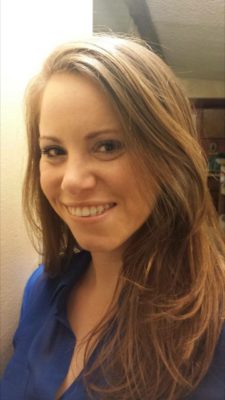
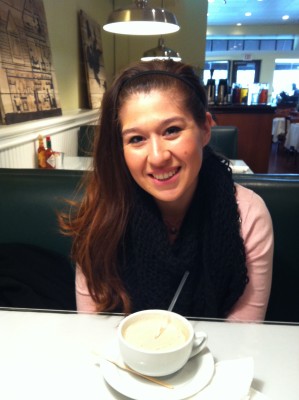
    By: Kelley Hoag

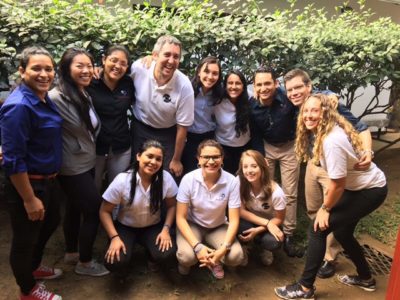
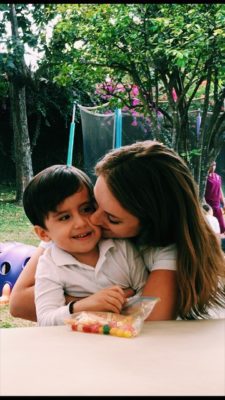
    In the fall of 2016 I applied to travel with the Global Autism Project after my supervisor, Allison, had volunteered with them in Kenya last Spring. I was accepted into the program and told I would be traveling to Managua, Nicaragua in February, 2017. The Global Autism Project is an organization promoting acceptance and integration of individuals with autism worldwide by training communities in culturally relevant and sustainable practices.

    By January, I had fundraised over $5,000 for my trip, knew worldwide statistics about the prevalence of autism and the number of BCBAs in each country, attended webinars, spoke with both Allison and an assigned mentor, and still had no idea what to expect. I arrived in Brooklyn for orientation three days before my flight to Managua and was welcomed by a group of smiley volunteers who I vaguely recognized from Facebook posts. I immediately felt an amazing energy that carried through for the next two and a half weeks.

    Orientation consisted of volunteers for four different trips; Nicaragua, the Dominican Republic, India and Indonesia, all setting out into the field in a few short days. We learned the history of the Global Autism Project, we explored our comfort zones, we practiced clinical procedures and we learned about sustainability and volunteerism. This orientation literally changed my life. I was ready to go to Nicaragua with my other four team members with an entirely new perspective. I was ready to collaborate, lead, follow, teach, learn, keep an open mind, and ask questions.

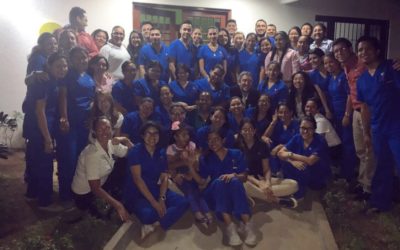
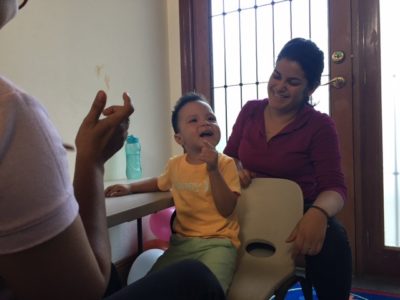
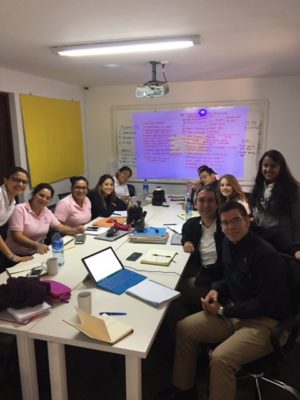
    When we finally arrived at CIE (Centro Intervencion Edu-Terapeutico), the partner site in Nicaragua, we met the staff and hit the ground running. For the next two weeks we were non-stop, helping CIE grow in all the places they felt were most important. We helped the staff with trainings and presentations on key skills such as mand training, social stories and early intervention. We observed the therapists, supervisors and coordinators applying the skills they learned, gave them feedback and modeled specific techniques. We worked with individual clients to make tweaks to their curriculum. We worked on staff morale and cohesion. In just two short weeks we accomplished an inexplicable amount.

    By far the most important thing I learned from this experience and really took with me was the sustainability component. I have volunteered in the past, building houses after Hurricane Katrina or organizing walks for Autism Speaks. However, I was never taught or even thought to ask questions. Did the man whose house I helped insulate in New Orleans want me there, or would it have made more sense for a local construction worker to earn money from this same job? Was there a better way I could use my services for someone with autism rather than walking in a circle around a college campus? In Nicaragua, I asked. We asked. From our first interactions with the staff, we asked what they needed and how we could assist. With a small push, we were able to step back and watch them run with these new ideas and their confidence soared. This is making a sustainable impact.

    When I returned home at my job at ABI, I found myself asking much more. I now ask parents how we can make programs the most effective for them, which usually includes making parents a more predominant part of the session. It also means asking myself how a program should be run. Can I do this program more naturalistically or can I incorporate a peer? I accredit all of this to my trip to Nicaragua. I am so grateful to have had the opportunity to travel with such an incredible organization with an inspiring message.
  • An Educational Journey

    An Educational Journey

    An Educational Journey

    By: Azizull Dhadwal

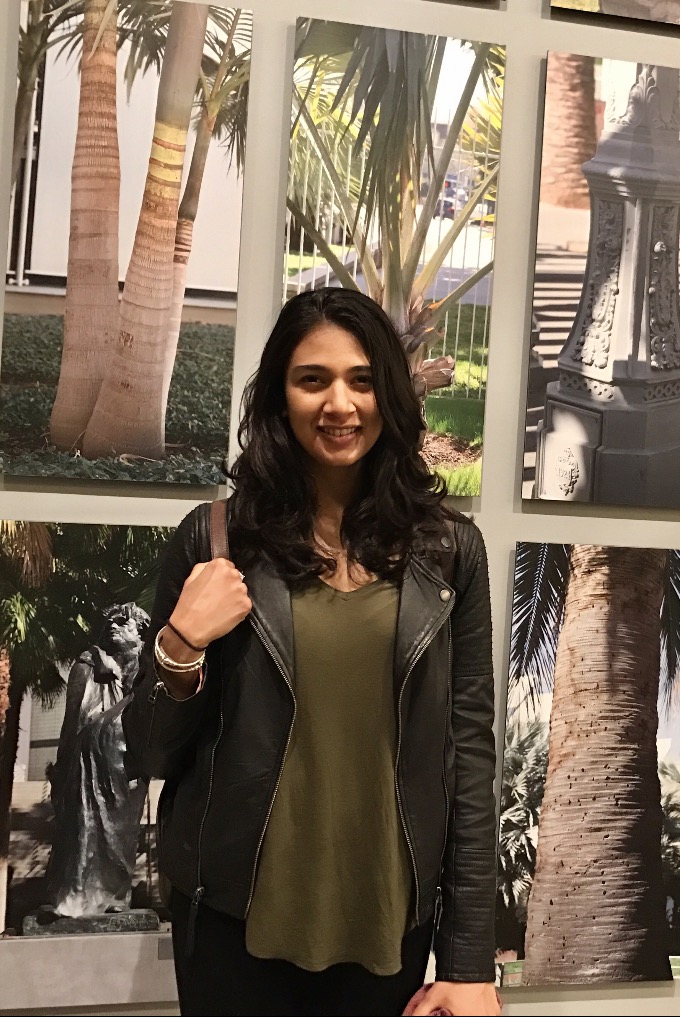
    My summer ’16 was characterized by the sweet blissful fun of a hot season mixed with intense tones of uneasy confusion about the turn my life could take in September. Anyone who says that they enjoy the process of applying to a university either has a lot of help in the process or is lying. After many hours of staring at my personal statement, and with the support of ABI and my undergraduate professors, my application to Pepperdine University’s Master’s of Science in Behavioral Psychology (try saying that five times fast) was completely submitted. Then came the wait. This was by far the most tortuous six-week period of that summer. The restlessness of this waiting period was different from that brought on from applying to undergraduate programs. However, it was not long-lasting as after that time came a letter; a letter that contained truly the most exciting news I had received in that summer. I jumped for joy, hopped around the house and did a celebratory jig, which was induced every time I saw that letter in my room. In a few short weeks, I was taking my now regular commute to classes for the Fall 2016 semester as a member of the first cohort of Pepperdine University’s new MSBP program.

    It did not take long for me to know that I chose the right educational path. Through my classes I have been able deepen my knowledge about the field of applied behavior analysis (ABA). An especially exciting aspect of furthering my education in this field was that I have already been working in the field. My time working at ABI influenced my decision to pursue educational and professional development in this field. The combined approach of working at ABI and studying about ABA has benefitted me in learning the material through different learning modes. This method was a mix of conceptual learning and hand-on experience that has allowed me to develop an in-depth understanding of the material in school as well as more information to support my professional development. This graduate program was brand new when I applied last summer. However, becoming a member of a program that was new has allowed me to take part in opportunities for myself that I would want to make a part of my academic repertoire. Two such opportunities have been conducting research for a master’s thesis and helping to start a student association.

    During my time as an undergraduate student, the words “research” and “thesis” did not register positively in my perception. However, my program brought my attention to the importance of research in our field. With the guidance of my supervisor at ABI, Allison Bickelman, I approached my program director about conducting my own research for a master’s thesis. Due to the promptness with which I approached her, she gave me an opportunity to work on a master’s thesis under her direct supervision, even though a thesis was not a part of our curriculum for this program. After hours spent planning and formulating a general protocol for my thesis, I could relish in the proud moment when my research proposal was approved by the IRB at Pepperdine University. And now with the support of ABI and a completed research proposal, I have been able to start conducting research with clients at ABI.

    Another opportunity that I have been able to take advantage of was being a founding member of the Pepperdine Student Association for Behavior Analysis (PSABA). This student group was a new addition to those offered at the Graduate School of Education and Psychology at Pepperdine this Spring 2017 semester. This group has been set apart from others in that its specific goals were made to spread academic and professional awareness of the field of applied behavior analysis. As the first president of this student association at Pepperdine, I have been able to work with my fellow officers in the process of formulating a focus of the association. Being a part of a program like this has motivated me to further my involvement in any way within the field both academically and clinically. Luckily, there have been plenty of opportunities to become involved in and plenty more to come.

    The balance of work, school, the clinical internship at ABI, research and PSABA did take some time. Without the continued support of ABI, the process of finding balance would have been essentially impossible. Being a part of a work environment that both allows and encourages opportunities to further education in the field of ABA makes balancing feasible in the organized chaos surrounding me. And, to be honest, it does not always feel balanced. But the beauty of going through a transformation that includes learning across different academic and professional environments is that I have developed in ways that I did not think were previously possible. Each aspect has complimented the other. Life right now is a caffeinated frenzy of dragging a backpack of binders, textbooks, a tablet, chargers and apples (lots of apples) from one educational destination to another. And lucky for me, I love coffee, apples, and my back muscles have never been stronger.

  • My Career at ABI

    My Career at ABI

    My Career at ABI

    by: Allison Bickelman

    I have been part of the ABI team for over five years, having moved up the ranks from a skills trainer, to lead skills trainer, to, upon receiving my masters degree and becoming a BCBA, a program supervisor. For two years, I provided full-time program supervision to a variety of clients ranging in age from 3 to 13, creating behavior plans to reduce and replace challenging behaviors and designing skill building programs according to developmental norms, the ABI curriculum, and skills assessments, including the VB-MAPP. As a program supervisor, I have also trained skills trainers, parents, and other stakeholders to teach and generalize new skills and to manage challenging behaviors.

    In July of this year, I was honored to be promoted to a new position at ABI; Quality Assurance Manager. My primary goal in this new position is to ensure that ABI continues to provide the highest quality ABA treatment to our clients. In this role, I continue to provide program supervision, but have also taken on new responsibilities, such as training and evaluating incoming program supervisors, ensuring the creation and revision of clinical trainings in line with the latest research findings, overseeing our clinical interns in master’s degree programs, and developing procedures that promote the delivery of quality ABA treatment and support ABI’s commitment to the hig
    hest professional and ethical standards. I am very excited to see how this role develops over time!

    college

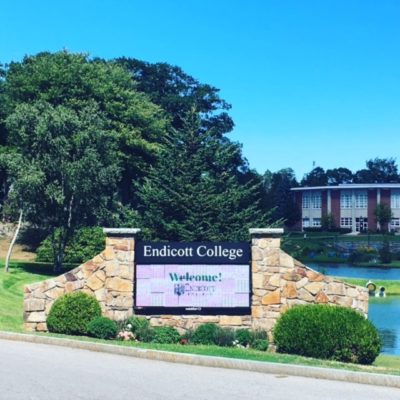
    Last month, I also began a Ph.D. program in behavior analysis. It is a synchronous online program through Endicott College in Boston, which means that the classes are taught live on campus, and those of us who are not local attend live classes virtually. The program is very rigorous and I will be studying under multiple renouned behavior analysts, including Drs. Michael Dorsey, Mary Jane Weiss, Jonathan Tarbox, and Caio Miguel. The program is threee years in duration, with the first two years devoted to coursework, and the last year dedicated to conducting a dissertation. Over the course of the three years, I will be conducting various research projects, publishing in behavior analytic journals, presenting at conferences, and teaching a masters-level course. I am truly excited to advance my education in the field of behavior analysis, learn as much as possible from my professors and colleagues, and share this new knowledge with the clinical team, clients, and families at ABI.

  • Autism Knows No Borders

    Autism Knows No Borders

    Autism Knows No Borders

    By: Allison Bickelman

    For 2 ½ weeks in April 2016 I was in Kenya with the Global Autism Project working at a school for kids with autism. There is only 1 BCBA in all of east Africa (for comparison, there are 9 BCBA’s here at ABI alone), and therefore only one school that accepts kids with autism. In Kenya, resources, support, and services for kids and families with special needs are very limited, if not nonexistent. Families live in fear and stigma, as many people believe that autism is the work of the devil. Instead of most kids receiving early intensive services, as we specialize in here at ABI, the majority of kids don’t even receive a diagnosis until ages 7 or 8, typically after they have been kicked out of multiple schools. During my time at the school and at awareness events in Nairobi, I met parents who are not afraid to come forward and fight for their kids, no matter the cost.

    The staff at the school is highly trained, as their clinical director is a BCBA and the Global Autism Project sends teams of BCBA’s and interventionist 3-4 times a year to train and check in on progress. We primarily focused on updating all of the kid’s mand programs and ensuring that all the kids had a means to communicate, whether that be vocally, with signs, or by using PECS. I also spent time training the new clinical supervisor on how to do assessments, update programs, and write behavior plans.

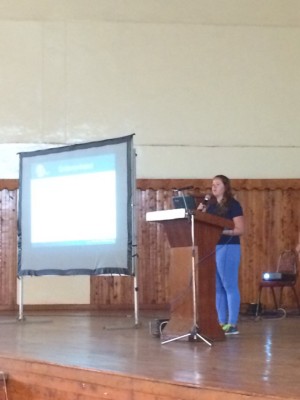
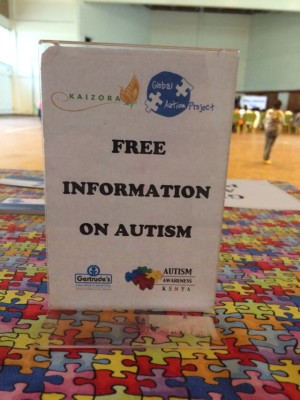
    We participated in a huge awareness event in which we presented on evidence based practice (ABA currently being the only treatment for autism that is evidence based and backed by years of peer-reviewed research and outcome studies) and how parents can implement behavior analytic interventions with their children at home. The event and the presentations were well received and many parents came up to our booth to individually thank us for being there and supporting their kids.

    We often wore shirts that said AUTISM on them, and in multiple locations, people stopped us on the street or in the marketplace to ask us what autism is and what we were doing. So many people had never heard the word; they said, “We don’t talk about that here.” Our mission was to not only spread awareness, but to teach acceptance. Being aware is just the beginning; you can know about a lot of things without accepting that they are true. Both here in the states and abroad in Kenya and all countries, we want to ensure that kids and adults with autism are accepting as equals in school, community, social, and workplace settings.

    The Global Autism project partners with multiple ABA centers and schools around the world to train staff and parents and ensure that all kids have access to high quality, evidence based treatments, as well as to attempt to decrease the age of diagnosis and entrance into ABA programs. They currently have partners in Kenya, India, Indonesia, and the Dominican Republic, with more sites on the horizon. The work that they do is so critical and important; I always have been but now am even more passionate about spreading awareness and acceptance, and teaching the importance of early intervention behavior analytic services.

    My time in Kenya taught me so many valuable life lessons about myself, other cultures and people, and about kids with autism. Working at the school showed me that regardless of location or ethnicity, kids are the same-they want to have fun, be loved, and they deserve to reach their full potential, and not be limited by the country they live in. I have a renewed passion and dedication to my work here at ABI, as I will serve my clients and their families with more love and understanding than ever before.

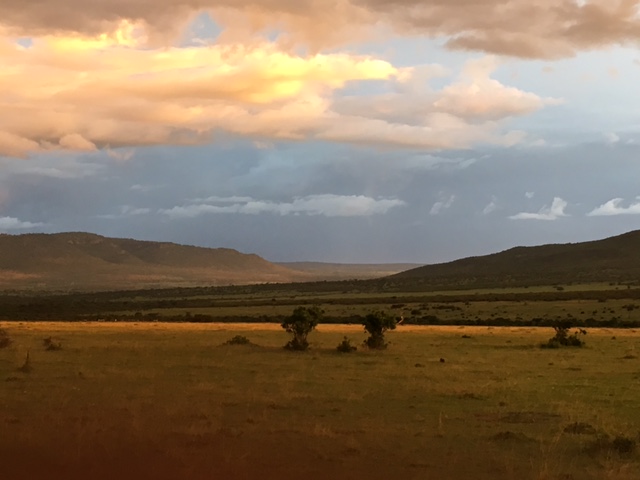
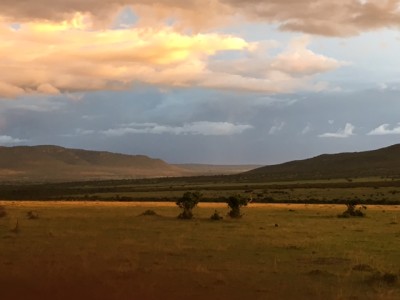
    I also had the luxury of exploring Kenya as a tourist, and had amazing experiences at giraffe and elephant sanctuaries and on a 4 day safari on the Masai Mara, during which we came face to face with lions, cheetahs, giraffes, hippos, and elephants. This trip was truly the experience of a lifetime.

    Allison presenting at an autism awareness event about evidence based treatment

  • Meet our Staff

    Meet our Staff

    Meet Grace

    ABI Lead Skills Trainer

    Grace is known for her boisterous laugh guaranteed to bring a smile to anyone’s face. Grace was getting ready to graduate from California State University Northridge when she came across a flyer on campus for an open position at ABI. “I had been doing some work with the Child and Family Studies Center at CSUN and thought I’d apply.” says Grace.

    Since then, Grace has risen in the ranks and become one of our most seasoned lead skills trainers. She has had the opportunity to work with many of our kiddos and is a client favorite! “My favorite part of the job is seeing the progress, which can sometimes be slow but is evident. Our kids always progress and grow,” says Grace.

    Sometimes our skills trainers and clients form lasting bonds, as Grace has come to know, “I was (building rapport) with one of my clients and had to leave the room for a bit. When I returned, I found my client’s mom crying and I asked her what was wrong. She told me that her daughter had been calling out my name and was looking for me. She was so appreciative and said that I was her daughter’s first friend.”

    Grace’s advice to skills trainers is, “Be patient and give it time. Things that are worthwhile are worth waiting for. Stay strong and patient, and progress will happen.”

    When Grace isn’t with our kiddos at ABI, she’s spending time with her own little one and husband. She spends her free time creatively, crafting and decorating her home.

    Thanks for being such a great addition to our team, Grace!

  • Meet Our Staff

    Meet Our Staff

    Meet Danny

    ABI Lead Skills Trainer

    Danny, one of our veteran lead skills trainers, began his career at an afterschool program working with kids on the autism spectrum. He later applied to ABI to begin work as a Skills Trainer and has since advanced to the position of Lead Skills Trainer. Among his many talents as a lead skills trainer, Danny is especially known for his ability to turn any moment in a session into a learning opportunity and for his creativity in teaching his clients new skills incidentally.

    Danny was born and raised in the San Fernando Valley and takes full advantage of the attractions L.A. has to offer. Every weekend he hikes the Griffith park trails with his dog, Dexter, and he seeks his thrills from roller coasters, taking full advantage of his Six Flags season pass.

    Danny having worked with ABI for over 7 years, Danny has had the opportunity to work with many of ABI’s clients and shares, “I love bumping into past clients in the office and working with them during fill ins because I get to see all the progress they have made.” He’s also had lots of “kids say the darndest thing” moment, telling us, “My favorite memory is with one of my first grade clients, whose peer lost a tooth during class. My client looked at her and enthusiastically said, ‘You’re a real woman now!’”

    Danny’s best advice for up and coming skill trainers is to always make it a point for your client to laugh and smile during session, and Danny sure holds true to that himself!

    Thanks for your dedicated work Danny and for the difference you’ve made in your clients’ lives!

  • Meet our Staff

    Meet our Staff

    Meet Nancy

    ABI Lead Skills Trainer

    Born in the San Fernando Valley, Nancy grew up near Los Angeles where she spends her free time watching movies and visiting coffee shops with her friends.

    After graduating from college, Nancy sought a career in the field of psychology. Nancy shares, “My whole family has worked in fields surrounding autism. I’m the first to use applied behavior analysis to work with children.”

    We asked Nancy about her favorite aspects of working as a skills trainer and what advice she has for other skills trainers. “My favorite part of my job is playing with the kids. My best advice for new skills trainers would be to be confident in what you know and make your sessions fun. If you’re having fun, they’re having fun.”

    Claiming she had too many to choose from, Nancy finally recalled one of her favorite memories with one of her clients. “Someone asked my client who I was and without prompting, she responded that I was her sister. It was so touching.”

    Thanks for being such a great member of our team, Nancy!

  • Employees of the Quarter

    Employees of the Quarter

    Brandon

    Since Brandon joined team ABI in November of last year he has shown us how enthusiastic and passionate he is about working with kids. He excels at teaching functional communication, play, and social skills, and confidently and calmly managing challenging behaviors. Brandon also demonstrates strong skills in data management and moving programs forward. Brandon’s clinical skills have recently led him to become a lead skills trainer-in-training! The teachers and parents that Brandon works with appreciate the hard work that he puts in every day, and we are so grateful to have him as part of our team.

    Alyssa

    Alyssa has been working at ABI since June, 2014. She is a valuable asset to all the teams that she’s a part of. She is great at making sure her clients are making progress and always has great ideas to ensure they do. She excels at working with advanced learners and managing challenging behaviors. Alyssa is loved by all parents and clients. Thank you, Alyssa! We are lucky to have you!

    Fabiany

    Fabiany started with ABI a little over a year ago. She is a great asset to our team and does an excellent job at coming up with creative ways to target play and conversation skills. She also excels in using behavior management techniques to replace inappropriate behaviors with meaningful skills. Fabiany’s commitment to helping her clients make is greatly appreciated. She is valued and respected by the families, teachers, and co-workers with whom she works. Fabiany, we appreciate your dedication to your clients and the great job you do here at ABI!

    Maria

    As a skills trainer Maria has displayed natural skills working with our kids in a variety of different settings! She does a great job building rapport with the parents, teachers, and colleagues with whom she works. Maria comes to her sessions with enthusiasm and is always gives her all to helping our kids be the best that they can be. Thank you for all of your hard work Maria!

  • Meet Our Staff

    Meet Our Staff

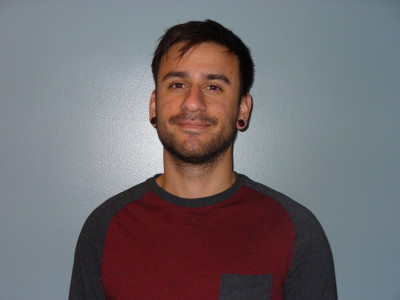
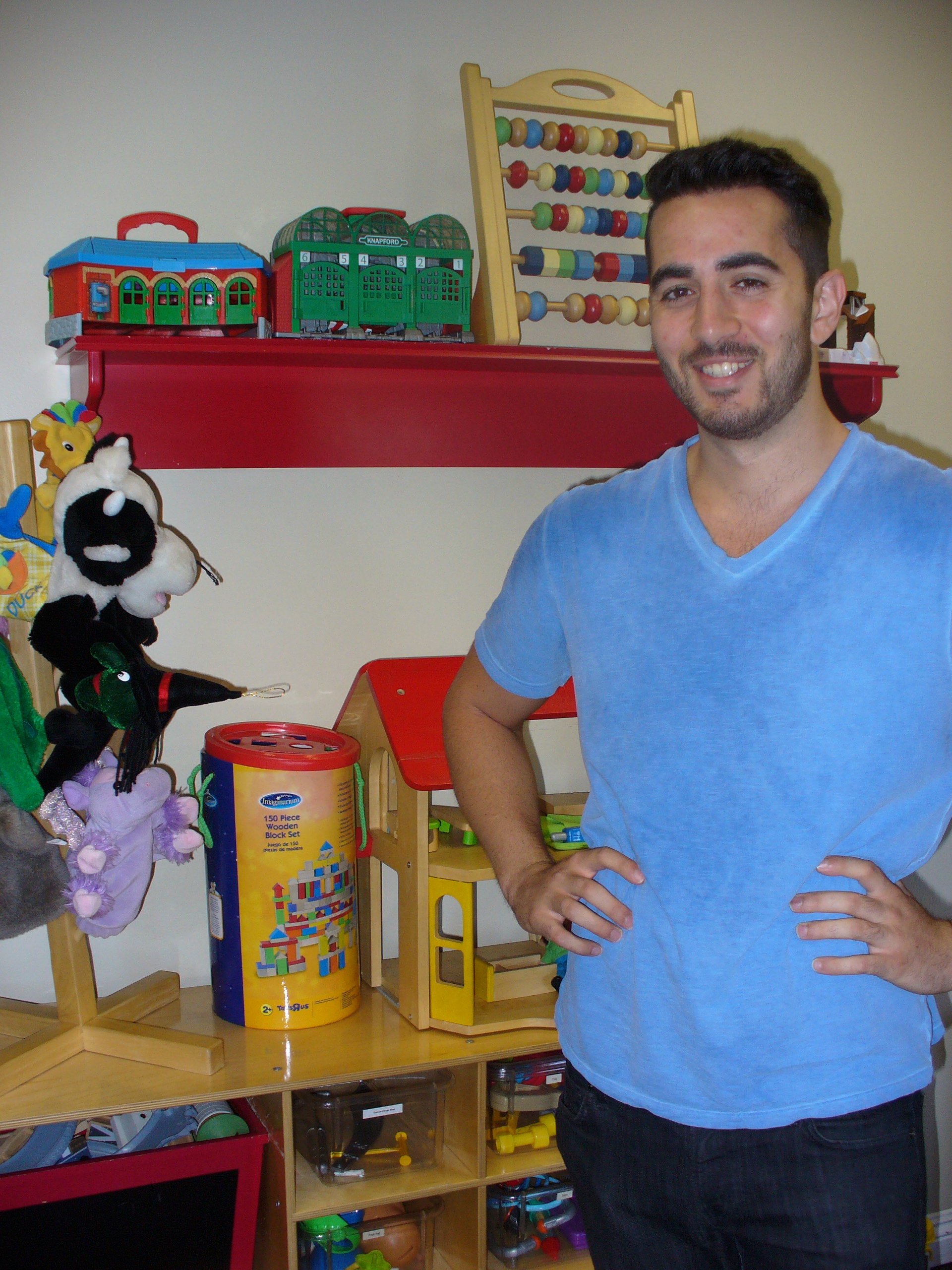
    Meet Chris A.

    P1020283

    ABI Skills Trainer

    Chris, a Los Angeles native, graduated from UCLA in 2012. There he studied psychology and began to think about his future. His brother, who worked in the field of applied behavior analysis (ABA) briefly, suggested that Chris look into working in ABA, as well. After some research, Chris’ interest was sparked and he applied for a skills trainer position here at ABI.

    As one of our substitute skills trainers, Chris enjoys being able to interact with all of our clients. And for him, the best part is being able to play and teach play skills. Chris notes, “I genuinely enjoy having fun with the kids.”

    His best advice to future skills trainers is to balance out rapport-building, or what we call, pairing ourselves with reinforcement, with teaching. His reason being, “I used to come in all business, but I realized that if you don’t make your sessions fun for the client, they are hesitant to learn.” Chris’ clients also know how to make the sessions fun for him. “One of my clients has the best imagination. He makes me laugh with all of his impersonations of random people like the pizza man.”

    Outside of work, Chris enjoys hanging out with his friends, going to the gym and watching Game of Thrones.

    Thanks for doing a super job Chris!

  • Meet Our Staff

    Meet Our Staff

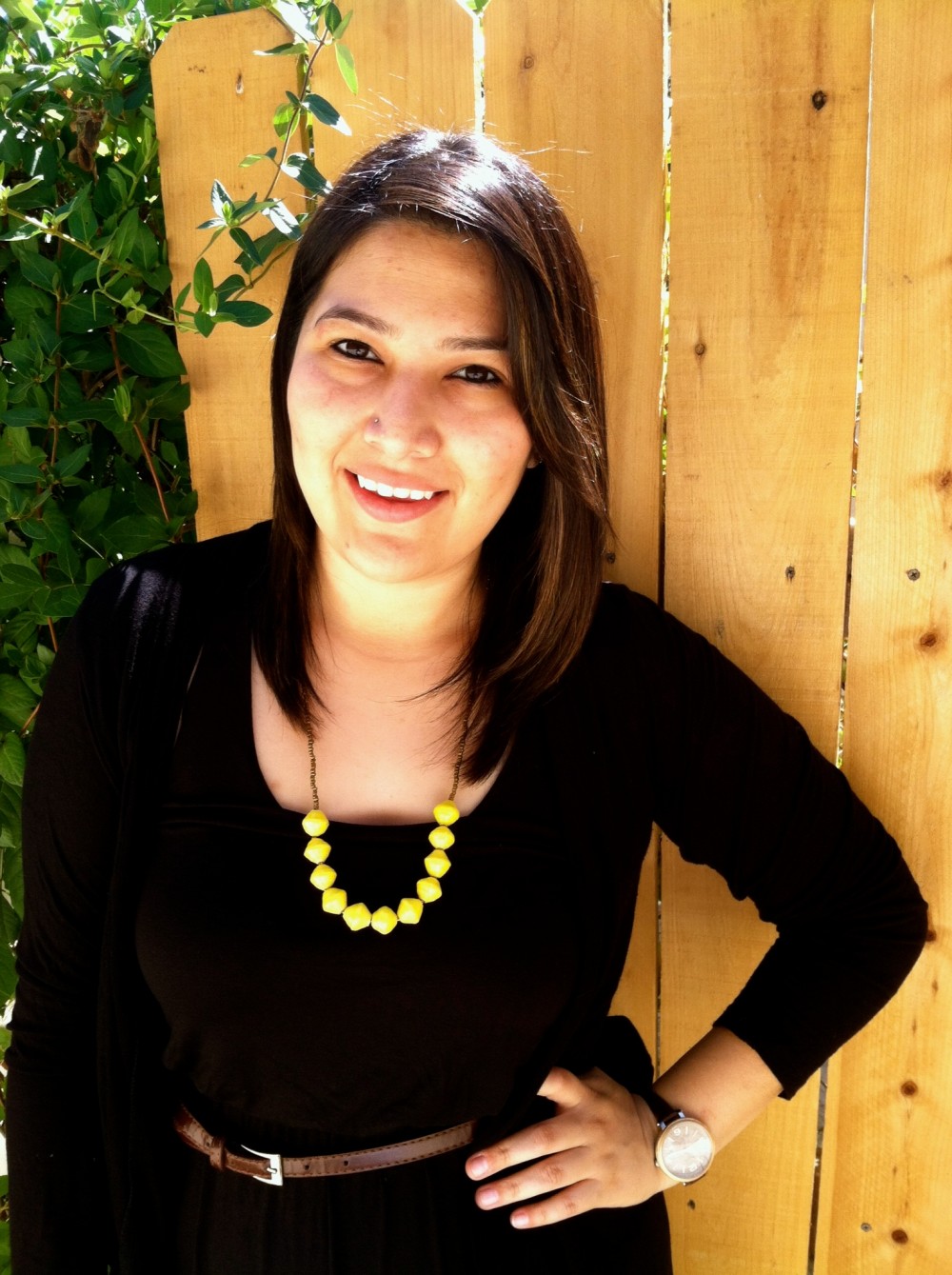
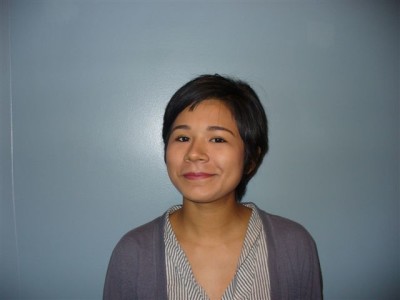
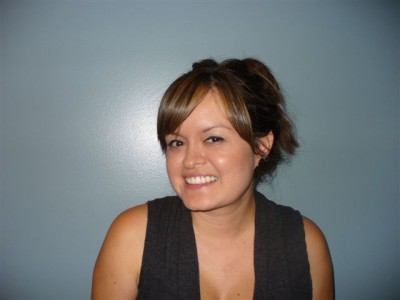
    Meet Carla A.

    P1020007 (2)

    ABI Skills Trainer

    Carla grew up in Los Angeles, also living in Mexico for four years before starting the first grade. She was inspired to work with children after volunteering in a youth after-school program while in college. Her favorite part of working at ABI is getting to see a child master a skill after working on a program with them.

    When asked about one of her favorite memories with one of her clients, Carla shared, “One of my clients is non-verbal. He really enjoys being tickled so we play like that often. Then one day when I was tickling him he suddenly screamed, “NO!” I was so shocked that he had spoken and within the correct context! I was so proud because it showed lots of improvement.”

    Her advice to new skills trainers is, “not to give up. Sometimes it gets difficult having to deal with challenging behaviors, but you just have to be patient, and it ends up being very rewarding.”

    When she’s not at work, you can find her at the gym or spending time with her family. And if she was ever to find herself on a deserted island with only three things, they’d be here mom, her boyfriend, and a good board game.

    Thanks for all your hard work Carla!