
ABA Parent Training in Los Angeles, CA
Parent Training
Parents and caregivers play an important role in helping children with autism develop meaningful skills. At Autism Behavior Intervention (ABI), our ABA parent training in Los Angeles helps families understand practical Applied Behavior Analysis (ABA) techniques and use them during everyday activities.
Our parent training is a component of our home-based and center-based ABA treatment programs. It focuses on helping caregivers teach new skills, reinforce learning outside therapy sessions, and respond to challenging behaviors using individualized strategies.
By connecting professional guidance with everyday family routines, ABI helps parents become more confident in supporting their child’s communication, independence, and development.
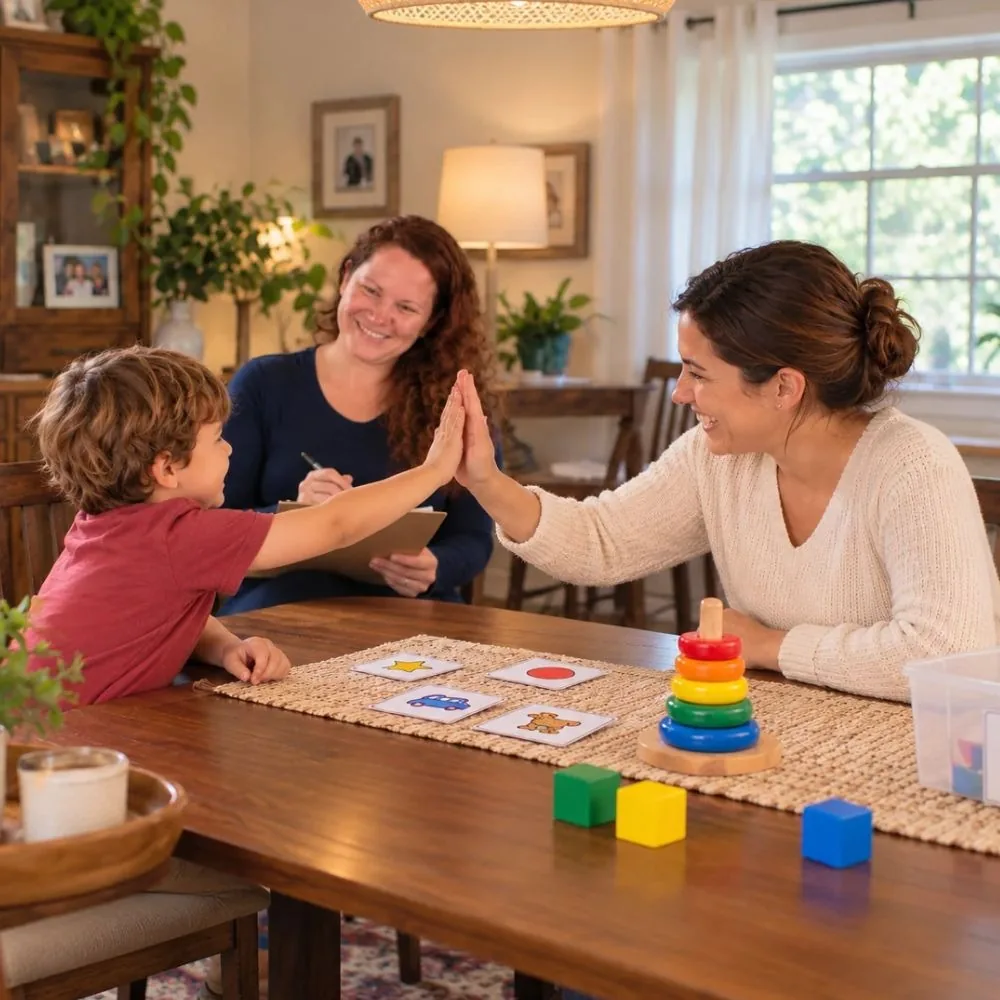
Personalized ABA Therapy Training for Parents in Los Angeles
ABA parent training is an educational and supportive service that teaches caregivers how to apply behavior-based learning strategies in daily life.
Children learn through repeated experiences, and many opportunities for skill development happen outside scheduled therapy sessions. Parent training helps families recognize these opportunities and use appropriate teaching techniques.
At ABI, ABA therapy training for parents in Los Angeles focuses on practical strategies that can be incorporated into familiar routines such as playtime, mealtimes, getting dressed, and preparing for school.
The purpose is not to turn parents into therapists. Instead, it is to provide knowledge, guidance, and useful skills that support their child’s individualized treatment goals.
What Is ABA Parent Training?
ABA parent training involves teaching parents and caregivers specific techniques based on the principles of Applied Behavior Analysis.
These techniques may help families encourage communication, teach daily living skills, support positive behavior, and respond to challenging situations.
Training can also help caregivers understand how children learn new skills and why consistent, individualized support matters.
The strategies should reflect the child’s abilities, preferences, and family circumstances rather than follow a single approach for every household.
Benefits of ABA Parent Training for Families
Parent involvement can help connect therapy goals with everyday experiences. When caregivers understand appropriate ABA strategies, they have more opportunities to support learning in familiar environments.
1. Greater Confidence in Everyday Parenting
Understanding a child’s learning needs can help parents feel better prepared for daily challenges.
Training provides practical guidance for responding to behaviors, encouraging communication, and supporting independence without relying on guesswork.
2. Consistency Across Daily Routines
Children may learn skills during therapy but need additional opportunities to use them throughout the day.
Parent training helps families understand how to reinforce appropriate skills during common activities and routines.
3. Improved Communication Opportunities
Caregivers can learn ways to encourage children to express needs, make choices, request help, and participate in interactions.
Strategies should support the child’s preferred and appropriate communication methods.
4. Support for Challenging Behaviors
Some behaviors occur when children experience frustration, communication difficulties, or changes in their environment.
ABA parent training can help caregivers understand possible reasons for behavior and teach appropriate alternatives.
5. Stronger Collaboration With Therapy Providers
Parent participation allows families to share observations, ask questions, and discuss progress with their child’s therapy team.
This collaboration helps ensure that treatment goals remain relevant to everyday family life.
6. Opportunities to Build Independence
Parents can support age-appropriate independence by helping children practice skills such as dressing, cleaning up toys, following routines, and completing familiar tasks.
Small, achievable learning opportunities can be incorporated into the child’s day.
What Parents Learn During ABA Parent Training
Our approach to parent ABA training in Los Angeles focuses on helping caregivers understand and apply practical strategies that support their child’s development.
Training topics may vary depending on the child’s individual needs, treatment goals, and family priorities.
Understanding the Basics of ABA Therapy
Parents learn how ABA principles relate to everyday learning and behavior.
This may include understanding reinforcement, recognizing learning opportunities, and identifying environmental factors that influence behavior.
The goal is to make ABA concepts understandable and useful rather than overly technical.
Teaching Communication Skills
Communication is essential for expressing needs, building relationships, and participating in daily activities.
Caregivers may learn strategies for encouraging requests, supporting choices, responding to communication attempts, and creating opportunities for interaction.
Teaching should respect the child’s communication abilities and preferences.
Encouraging Positive Behavior
Parent training can help caregivers recognize behaviors they want to encourage and identify appropriate ways to support them.
Strategies may include positive reinforcement, clear expectations, predictable routines, and teaching functional replacement skills.
The focus is on building useful abilities rather than simply stopping behaviors.
Managing Challenging Situations
Parents may receive guidance on responding to behaviors that interfere with learning, safety, or daily activities.
Training can involve identifying triggers, understanding the purpose of behavior, and teaching communication or coping strategies.
Approaches should prioritize safety, dignity, and the child’s emotional well-being.
Developing Daily Living Skills
Everyday routines provide opportunities for children to build independence.
Parents may learn how to break tasks into manageable steps, provide appropriate assistance, and gradually encourage independent participation.
Examples include getting dressed, washing hands, following schedules, and organizing belongings.
Helping Children Use Skills Outside Therapy
A child who demonstrates a skill during therapy may need additional practice before using it independently in other settings.
Parent training helps caregivers support skill generalization through naturally occurring activities.
For example, a communication skill practiced during therapy might also be encouraged during meals, play, or family outings.
How Our ABA Parent Training Process Works
At Autism Behavior Intervention, parent training is connected to individualized ABA treatment and the practical needs of the child and family.
The training process may vary depending on the child’s goals and the services being provided.
Step 1: Understanding Family Priorities
The process begins with identifying areas where parents need additional guidance.
Families may want support with communication, daily routines, independence, or challenging behaviors.
Their observations and priorities help inform relevant training topics.
Step 2: Identifying Practical Strategies
Caregivers learn ABA techniques that relate to their child’s individualized treatment goals.
Strategies are selected to address meaningful skills and situations encountered during everyday family life.
Step 3: Learning Through Explanation and Practice
Parent training may involve discussing strategies, observing examples, and practicing appropriate techniques with professional guidance.
Practical examples can help caregivers understand when and how to apply a strategy.
Step 4: Applying Skills in Daily Routines
Parents are encouraged to use appropriate techniques during familiar activities.
This helps children practice skills beyond scheduled therapy sessions without making every family interaction feel like a formal lesson.
Step 5: Reviewing Progress and Making Adjustments
Families can share observations about which strategies are useful and where additional support may be needed.
Feedback helps inform adjustments that better match the child’s development and family circumstances.
How ABA Parent Training Supports Everyday Family Life
The value of parent training becomes clearer when strategies can be used during ordinary situations.
For example, a child who has difficulty requesting a preferred toy may benefit from communication opportunities during playtime.
A child learning independence may practice completing parts of a morning routine with appropriate assistance.
Families navigating difficult transitions may use visual supports, predictable schedules, or individualized communication strategies.
These examples show how ABA principles can be connected to real-life situations.
The objective is not to create rigid routines or expect children to behave identically in every setting. It is to support functional skills, participation, and communication in ways that respect each child’s needs.
Parent Training as Part of Home-Based and Center-Based ABA Therapy
ABI offers parent training as a component of its home-based and center-based ABA treatment programs.
Both settings provide opportunities for caregiver involvement, although the practical focus may differ.
| Home-Based ABA Parent Training | Center-Based ABA Parent Training |
|---|---|
| Connects strategies with household routines | Connects strategies with skills practiced at the center |
| Uses familiar home activities | Draws on structured learning experiences |
| Supports everyday family interactions | Helps families reinforce treatment goals outside the center |
| Addresses home-related learning needs | Supports skill generalization across environments |
Families may benefit from discussing how parent training fits within their child’s existing treatment plan.
The most appropriate strategies depend on individual learning needs, family priorities, and the goals of therapy.
Why Choose Autism Behavior Intervention for ABA Parent Training in Los Angeles?
Families searching for parent training ABA in Los Angeles want practical guidance that helps them better understand and support their children.
At ABI, parent training is connected to the child’s ABA treatment rather than treated as an unrelated educational activity.
Our approach focuses on helping caregivers learn specific ABA techniques, teach new skills, support the use of learned abilities throughout the day, and manage challenging behaviors.
Training emphasizes strategies that can be applied during everyday experiences, allowing families to participate meaningfully in their child’s development.
By connecting individualized therapy goals with caregiver education, ABI supports learning opportunities beyond formal treatment sessions.
Who Can Benefit From ABA Parent Training?
ABA parent training may benefit parents, guardians, and other caregivers of children receiving ABA treatment.
It can be particularly useful for families seeking guidance with communication, challenging behaviors, daily routines, or helping children practice new skills outside therapy.
Caregivers do not need previous knowledge of Applied Behavior Analysis to begin learning appropriate techniques.
Training should account for family schedules, cultural preferences, available resources, and each child’s individual needs.
Frequently Asked Questions About ABA Parent Training
1. What is ABA parent training?
ABA parent training teaches parents and caregivers practical techniques based on Applied Behavior Analysis. It helps families support communication, daily living skills, positive behavior, and the use of skills learned during therapy.
2. Does ABI offer ABA parent training in Los Angeles?
Autism Behavior Intervention includes parent training as part of its home-based and center-based ABA treatment services. Families in Los Angeles can contact ABI to confirm program availability and eligibility.
3. Do parents need previous ABA experience to participate?
No previous ABA knowledge is generally necessary. Parent training introduces relevant techniques and helps caregivers understand how to apply them according to their child’s needs.
4. How often should parents participate in ABA training?
The frequency of training depends on the child’s treatment plan, caregiver needs, and clinical recommendations. Families should discuss appropriate participation with their child’s therapy team.
5. Can ABA parent training help with challenging behaviors at home?
Parent training can help caregivers understand factors influencing challenging behaviors and learn individualized strategies for teaching functional alternatives. Results vary according to the child’s needs, the strategies used, and other circumstances.
Get Started With ABA Parent Training in Los Angeles
Supporting your child’s development does not end when a therapy session finishes. Everyday routines provide valuable opportunities to practice communication, independence, and other meaningful skills.
Autism Behavior Intervention helps parents and caregivers understand ABA techniques and connect individualized treatment goals with daily family life.
Contact ABI to learn more about parent training, discuss available home-based or center-based treatment options, and explore the next steps for your family.
Phone: 844-646-7516
Explore Our Services